
A gluten-free base used to sit on the menu with an asterisk next to it. Ordered because someone asked, not because the kitchen rated it. That’s not really the case anymore. Gluten-free has become a line item that gets chosen on its own terms, and the wholesale supply behind it has had to catch up fast.
The bigger change isn’t demand. It’s consistency. A pub in Parramatta and a café in Fitzroy can now order the same gluten-free pizza bases wholesale and get a base that behaves the same way in a deck oven both times. That wasn’t reliably true a few years back, when gluten-free stock varied batch to batch and kitchens built in extra prep time just to compensate.
Why gluten-free stopped being a niche product
Coeliac Australia estimates around 1 in 70 Australians live with coeliac disease, and a much larger share choose gluten-free for other reasons. For a venue running fifty pizzas a night, that’s not a rounding error. It’s a segment of covers walking straight past a menu that doesn’t cater for them.
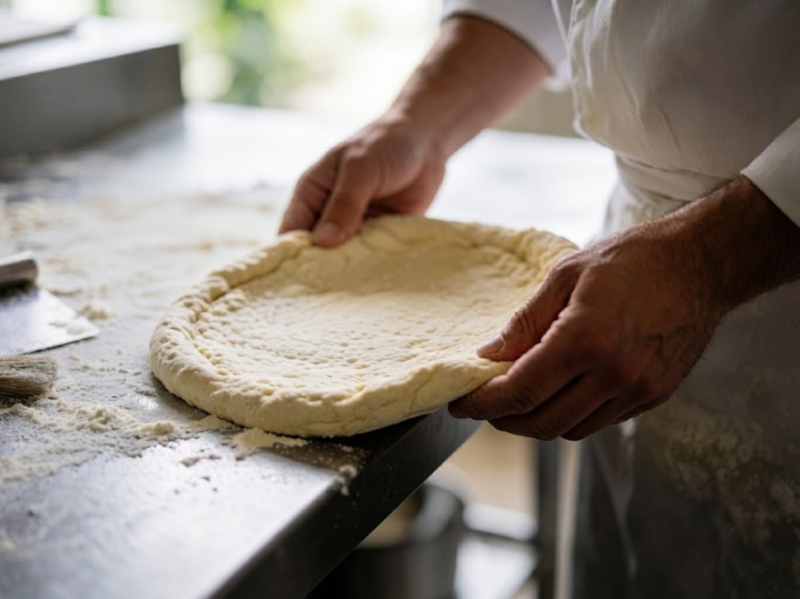
Suppliers noticed. What used to be a single gluten-free pizza base to buy as an afterthought SKU has, for a lot of manufacturers, become a properly developed product line with its own recipe work, not a substitution formula bolted onto the standard base. A base built for gluten-free from the ground up handles heat differently to one where the flour’s just been swapped out. It holds its shape better under a hot deck, and it doesn’t dry out at the edge the way a lot of early attempts did.
The old gluten-free base had a reputation, and it was earned. Gummy through the middle, or so brittle at the edge it cracked on the peel. Suppliers spent years working through grain blends to get past that, and most did. Which means a buyer who wrote off gluten-free after one bad batch back in 2021 is probably judging today’s product on evidence that’s three or four years out of date.
Sydney and Melbourne kitchens are asking different questions now
Where a venue is based still shapes what “available” actually means. A kitchen searching gluten free pizza bases Sydney wants a supplier who can deliver reliably into the metro area without a freight blowout eating the margin. Melbourne operators searching gluten free pizza bases Melbourne are typically asking the same thing, just with different delivery routes and a slightly more competitive supplier landscape given how many pizza-focused venues sit in that market.
What’s changed for both cities is the ordering conversation. Buyers aren’t just asking whether a supplier stocks gluten-free, they’re asking about batch consistency, shelf life, and whether the supplier can hold volume through a busy trading period without substituting stock quietly. A supplier who can’t answer that clearly is being ruled out earlier in the process than they would have been two years ago.
Volume matters too, and it’s worth being specific. A venue moving 200 gluten-free bases a week is a different customer to one moving 20, and the better wholesale pizza base suppliers now price and structure supply agreements accordingly rather than treating every gluten-free order as a small, awkward add-on to a standard account.
What buyers should actually be checking
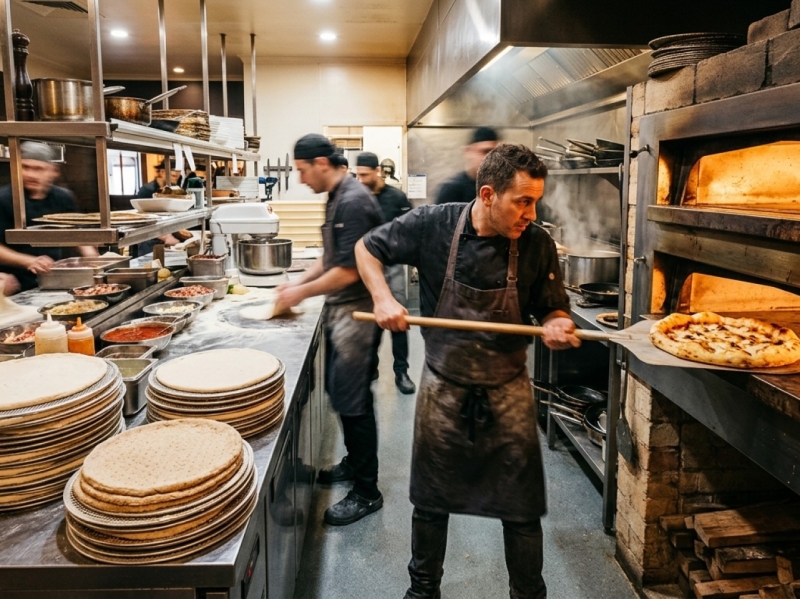
The question worth asking a pizza base supplier isn’t “do you do gluten-free.” Nearly everyone does now. It’s whether the gluten-free line is made in a genuinely segregated process, what the shelf life looks like once frozen, and whether the base holds its structure through a busy Friday service rather than just in a supplier’s demo kitchen.
For a lot of operators still relying on where can I buy gluten free pizza bases as their starting search, the answer has moved on from “whoever stocks it” to “whoever can prove the consistency.” That’s a fair bar to set, and one that’s only going to get harder to meet as the category keeps growing. If this is the position you are currently in, speak to RDM’s foodservice team to end your gluten free pizza base search.