
You know, when you order a pizza, you think a lot about the toppings, right? Like, what kind of cheese, what meats, what veggies. But have you ever stopped to really think about the base? The foundation of the whole thing? It turns out, the quality of that pizza base has a massive impact on whether you’re going to be happy with your meal or not. Let’s chat about why that is and what makes a good one.
Key Takeaways
- The pizza base is the foundation of your pizza experience. Its quality really matters, even more than you might think.
- Good bases need the right ingredients, a good texture (not too soggy, not too hard), and a crust that’s just right for you.
- A great base makes the toppings taste better and makes the whole pizza more enjoyable to eat.
- If the base is good, you’re more likely to order from that place again. It builds trust.
- Making your pizza base well means paying attention to the flour, water, yeast, and how long you let it rest.
The Foundation of Flavor: Why Pizza Base Quality Matters
When you think about a truly memorable pizza, what comes to mind first? Is it the generous spread of toppings, the rich tomato sauce, or perhaps the gooey, melted cheese? While these elements certainly play a significant role, the true character of any great pizza begins much lower down – with the base. The dough, often overlooked, is the silent hero that holds everything together and dictates the entire eating experience.
The quality of your pizza base is not just a minor detail; it’s the bedrock upon which customer satisfaction is built. A well-made base provides the perfect canvas, offering a delightful texture and subtle flavour that complements, rather than competes with, the toppings. It’s the difference between a pizza that’s merely eaten and one that’s savoured.
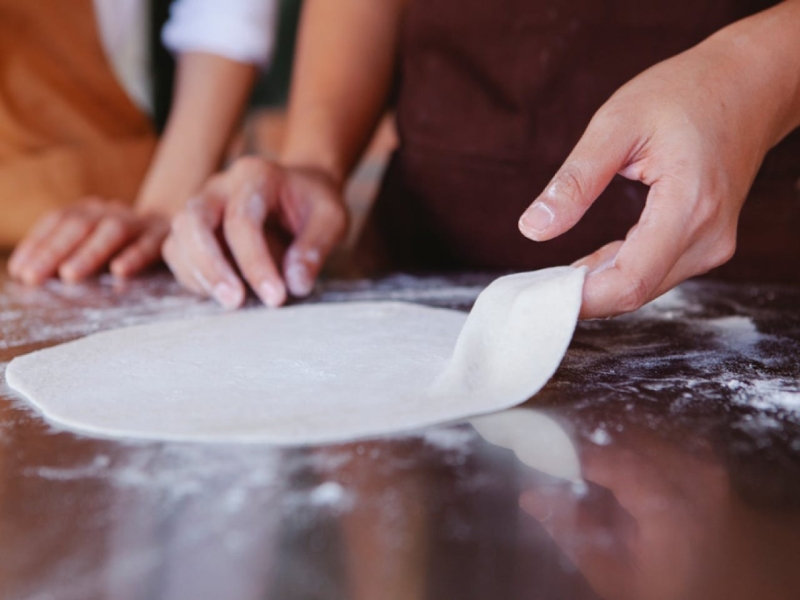
Consider the sensory journey of eating a pizza. The initial bite often involves the crust. A base that is too tough, too soggy, or lacks flavour can immediately set a negative tone. Conversely, a base with a satisfying chew, a slight crispness, and a pleasant taste creates a positive first impression that primes you for the rest of the meal. This initial textural and flavour experience is incredibly influential.
Furthermore, the base plays a vital role in how well the toppings integrate. A sturdy yet yielding base can support a variety of toppings without becoming overwhelmed or falling apart. It provides the necessary structure and a complementary flavour profile that allows the other ingredients to shine. Without this solid foundation, even the most premium toppings can feel disjointed or lost.
Think about it from a customer’s perspective. They are looking for an enjoyable, satisfying meal. A pizza with a poor base can lead to feelings of disappointment, heaviness, or even digestive discomfort. A high-quality base, however, contributes to a feeling of contentment and a truly enjoyable dining experience, making it more likely that customers will return.
The dough is the unsung hero of the pizza. Its texture, flavour, and structural integrity are paramount to the overall enjoyment of the dish. Investing in its quality is investing in the entire customer experience.
Here’s a quick look at why the base is so important:
- First Impressions: The initial bite sets the tone for the entire pizza.
- Topping Harmony: A good base supports and enhances the toppings.
- Digestibility: A well-fermented base is often easier to digest.
- Overall Satisfaction: It contributes significantly to the complete dining pleasure.
Key Elements of a High-Quality Pizza Base
The foundation of any memorable pizza rests squarely on the quality of its base. It’s more than just a vehicle for toppings; it’s a critical component that influences flavour, texture, and the overall dining experience. Understanding what makes a pizza base truly excellent is the first step towards delighting your customers.
Dough Ingredients: The Building Blocks
The ingredients you select for your dough are paramount. Think of them as the fundamental notes in a flavour symphony. High-quality flour, for instance, with the right protein content, is key to developing a strong gluten structure. This structure is what gives the crust its desirable chewiness and ability to hold toppings without becoming soggy. Water quality also plays a surprisingly significant role, affecting yeast activity and gluten formation. Even the type of yeast or starter you use will impart distinct flavours and textures. For example, a long, slow fermentation with a sourdough starter can develop complex, tangy notes that a commercial yeast simply cannot replicate.
Texture and Consistency: The Mouthfeel Experience
This is where the magic happens for your customers’ palates. A truly great pizza base strikes a balance – often a delightful contrast – between a crisp exterior and a soft, airy interior. This texture isn’t accidental; it’s the result of careful fermentation and proper handling. You want a base that has a satisfying bite, one that isn’t too dense or too flimsy. Achieving this consistency means paying close attention to hydration levels and fermentation times, allowing the dough to mature and develop its character. The goal is a base that feels substantial yet light, providing a pleasing mouthfeel with every slice.
Crust Characteristics: From Chewy to Crispy
The edge of the pizza, the crust, is often the first thing a customer interacts with. Its characteristics can vary widely depending on the desired style of pizza. Some customers prefer a chewy, bread-like crust, while others favour a thin, cracker-like crispness. The baking temperature and method play a huge part here. High heat, for instance, can create a beautifully blistered, leopard-spotted crust with a satisfying crunch, while lower temperatures might yield a softer, chewier result. Understanding these different types of pizza and their associated crust preferences allows you to tailor your base to meet diverse customer expectations.
The quality of your pizza base directly influences how customers perceive the entire dish. A well-made base elevates the toppings, while a poor one can detract from even the finest ingredients.
How Base Quality Directly Affects Customer Perception
First Impressions: The Initial Bite
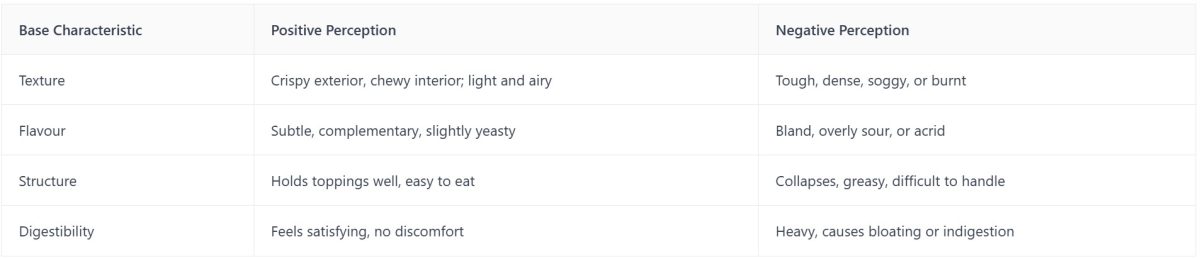
The very first bite of a pizza is a significant moment for any customer. It’s where expectations are set and initial judgments are formed. A base that is perfectly baked – perhaps with a satisfying crispness on the outside giving way to a soft, chewy interior – immediately signals quality. Conversely, a base that is too tough, too doughy, or burnt can unfortunately sour the entire experience before the toppings even get a proper chance to shine. This initial sensory input is powerful; it shapes how the rest of the pizza is perceived.
The Role of Base in Topping Harmony
Think of the pizza base as the stage upon which your toppings perform. A well-made base doesn’t just sit there; it actively contributes to the overall flavour profile and texture. It needs to be sturdy enough to hold generous toppings without collapsing, yet delicate enough not to overpower them. A base with a neutral, pleasant flavour allows the cheese, sauce, and other ingredients to be the stars. If the base itself is too bland, too sour, or has an unpleasant texture, it can clash with the toppings, creating a disjointed eating experience. The best bases complement, rather than compete with, the ingredients they carry.
Digestibility and Overall Enjoyment
Beyond the immediate taste and texture, how a pizza base makes you feel afterwards is also important. A base that has been properly fermented and baked is generally easier to digest. Customers notice when a meal feels heavy or causes discomfort. A light, well-risen dough contributes to a feeling of satisfaction without the unpleasantness of bloating or heaviness. This aspect of digestibility plays a significant role in a customer’s overall enjoyment and their willingness to order again. It’s about more than just the moment of eating; it’s about the lingering feeling.
A pizza base that is crafted with care, using quality ingredients and proper techniques, doesn’t just taste good – it feels good. This holistic positive experience is what transforms a simple meal into a memorable one, encouraging customers to return.
Here’s a quick look at how different base qualities can impact perception:
The Link Between Base Quality and Repeat Business
A truly memorable pizza experience doesn’t end with the first bite; it lingers, influencing whether a customer decides to return. When the pizza base is consistently excellent – offering that perfect balance of chew and crisp, a delightful flavour, and easy digestion – it builds a strong foundation of trust. Customers learn that they can rely on your establishment for a satisfying meal, every single time.
This reliability is what transforms a one-off visit into a regular habit. Think about it: if a customer knows your pizza base is always spot-on, they’re far more likely to choose you over a competitor, especially when they’re craving that specific pizza experience. It becomes a go-to, a safe bet for a good meal.
Here’s how a superior base encourages customers to come back:
- Consistent Satisfaction: A reliably good base means a reliably good pizza. Customers know what to expect and are rarely disappointed.
- Positive Word-of-Mouth: Happy customers talk. When the base is a standout feature, they’ll share their positive experiences, bringing new customers through your door.
- Dietary Inclusivity: Offering well-executed bases for various needs (like gluten-free or wholemeal) means more people can enjoy your pizza, increasing your potential for repeat business from a wider audience.
- Brand Loyalty: A consistently great pizza base becomes part of your brand’s identity. It’s a tangible reason for customers to feel loyal to your product.
The quality of your pizza base is a direct reflection of your commitment to the entire dining experience. It’s not just about the toppings; it’s about the entire package. When that base is right, it signals care and quality, making customers feel valued and eager to return.
Ultimately, investing in the quality and consistency of your pizza base isn’t just about making a better product; it’s about building lasting relationships with your customers. It’s a key ingredient in fostering loyalty and ensuring your business thrives.
Strategies for Ensuring Excellent Pizza Base Quality
Achieving a consistently superior pizza base requires a methodical approach, focusing on the details from ingredient selection to the final bake. It’s about building a foundation that customers will remember and crave.
Your commitment to quality starts with your ingredients. This means sourcing the best flour, understanding its protein content and how it affects gluten development for your desired crust texture. Water quality also plays a significant role; consider filtering your water to remove inconsistencies that can impact yeast activity and dough structure. The type of yeast you use, whether commercial or a natural starter, will profoundly influence flavour and rise. Don’t overlook the importance of fresh, high-quality yeast for predictable results.

Here are some key areas to focus on:
- Ingredient Sourcing: Partner with a reliable pizza base supplier or source your own ingredients with strict quality control. Look for flours with appropriate protein levels for your style of pizza.
- Temperature Control: Maintain precise temperature control throughout the entire process – from mixing and fermentation to proofing and baking. Yeast activity is highly sensitive to temperature, so consistent conditions are vital for predictable dough development and flavour.
- Fermentation Management: Allow adequate time for fermentation. Extended, slow fermentation, often in cooler temperatures, develops complex flavours and improves digestibility. This isn’t a step to rush.
- Dough Handling Techniques: Train your team on proper mixing and handling. Overworking the dough can lead to toughness, while under-mixing results in a weak structure. Gentle shaping techniques are essential to preserve the air bubbles created during fermentation.
- Baking Precision: Understand your oven’s characteristics. Whether it’s a deck oven, conveyor, or wood-fired, consistent heat transfer and proper temperature management are critical for achieving the perfect crust.
Paying close attention to these elements transforms a simple dough into a signature element of your pizza, one that customers will associate with your establishment.
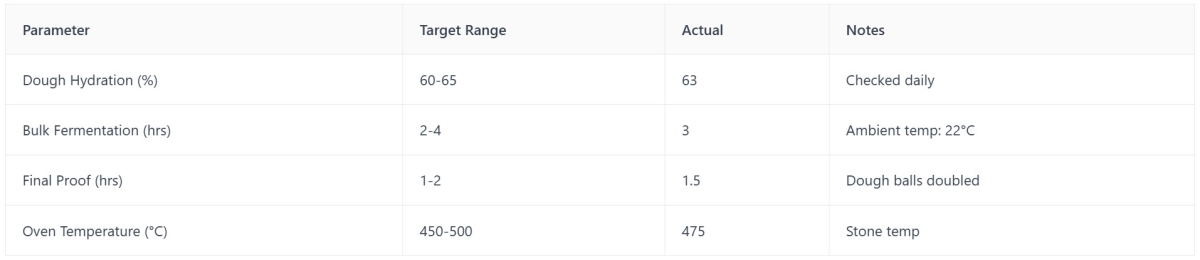
Consider implementing a system for tracking batch consistency. This might involve simple checklists for dough hydration, fermentation times, and final bake appearance. For example:
By meticulously managing these aspects, you create a pizza base that is not just a vehicle for toppings, but a star in its own right, contributing significantly to the overall customer experience and encouraging repeat visits.
Conclusion: Investing in Your Pizza Base is Investing in Your Customers
Ultimately, the quality of your pizza base is not just about flour and water; it’s a direct reflection of your commitment to your customers’ dining experience. A well-crafted base, whether it’s chewy and soft or thin and crispy, forms the very foundation of satisfaction. When you prioritise superior ingredients and meticulous preparation for your dough, you’re not just making pizza – you’re building loyalty.
Think about it: that first bite, the way the toppings meld with the crust, and how you feel afterwards – it all starts with the base. Customers notice. They remember the pizzas that were just right, the ones where the crust held up perfectly, offering a delightful chew or a satisfying crunch without being too heavy or bland. This attention to detail is what transforms a casual meal into a memorable occasion.
Here’s what investing in your pizza base truly means for your customers:
- Consistent Delight: Providing a reliably excellent base means customers know what to expect, every single time they order.
- Enhanced Flavours: A great base complements, rather than competes with, your toppings, allowing the full spectrum of flavours to shine.
- Comfortable Enjoyment: A base that is easy to digest leaves customers feeling satisfied, not weighed down, encouraging them to return.
The effort you put into perfecting your pizza dough directly translates into the smiles and repeat business you receive. It’s a simple equation: better base equals happier customers.
By focusing on the foundation of your pizza, you demonstrate a dedication to quality that customers appreciate and reward. It’s a straightforward way to stand out and build a reputation for serving truly exceptional pizza.
The Last Word on Dough
So, as you can see, the base of your pizza really does matter. It’s not just something to hold the toppings; it’s a key part of the whole experience. Getting the dough right, whether it’s about the ingredients, how it’s made, or even offering different kinds, makes a big difference to whether your customers leave happy. Paying attention to your dough is a smart move for any pizza place that wants people to come back for more. It’s the foundation, after all, and a solid foundation means satisfied customers.